The Power of Coaching

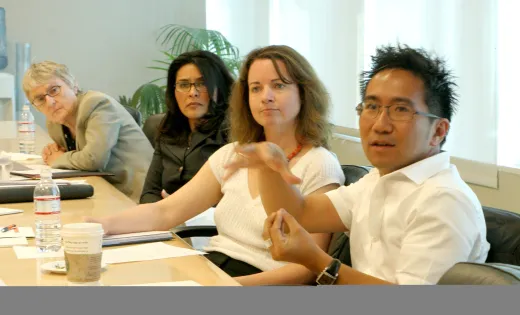
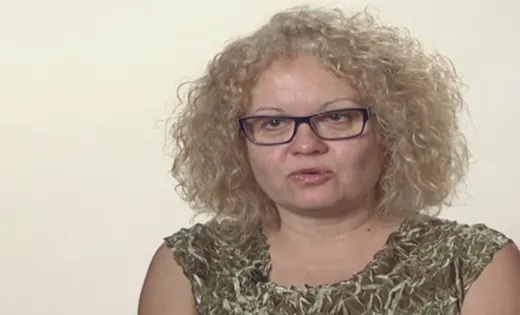
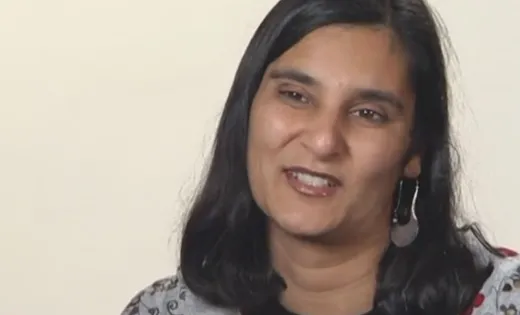
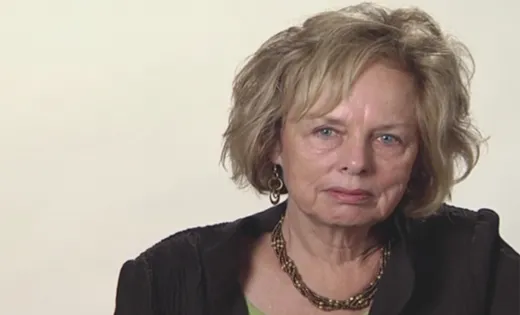
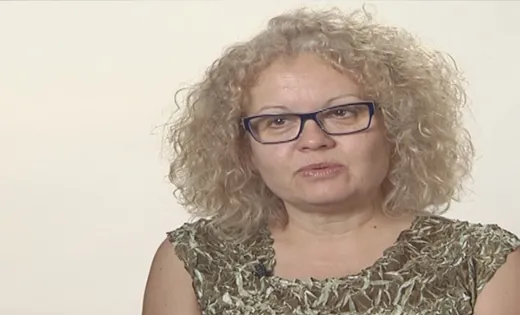
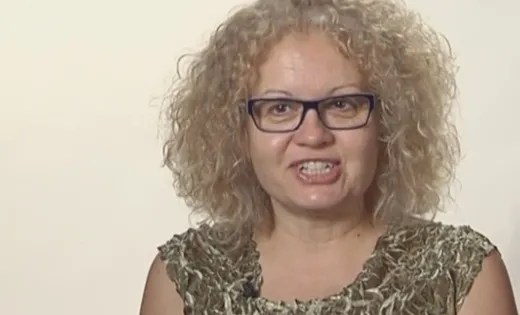
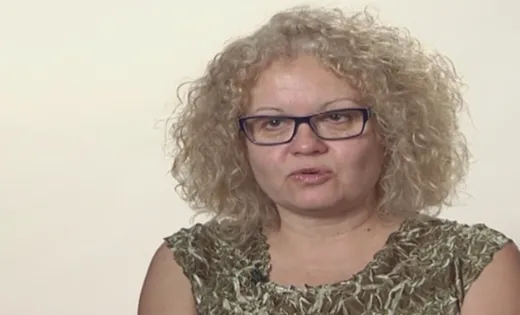
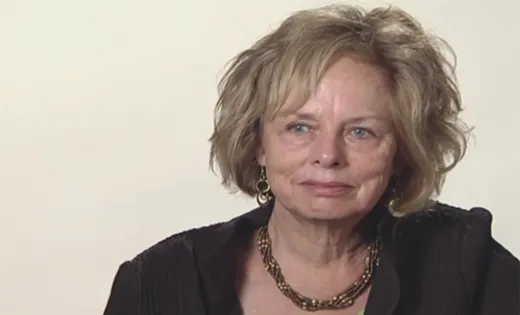
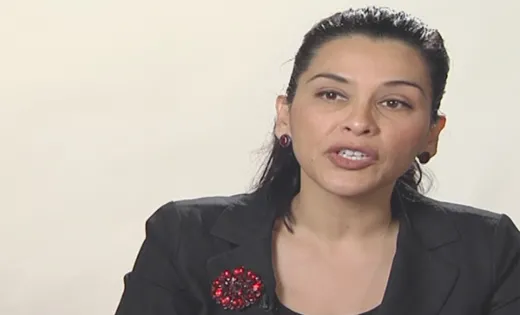
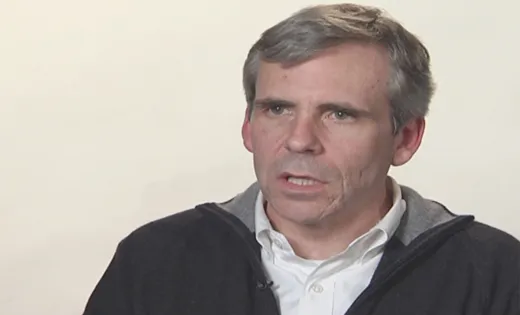
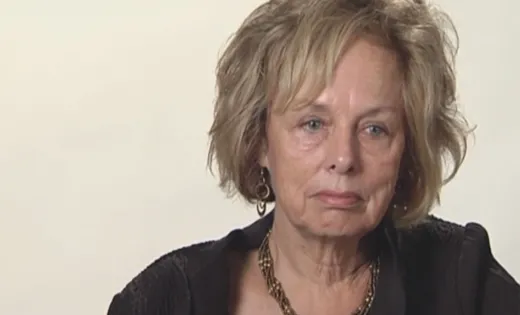
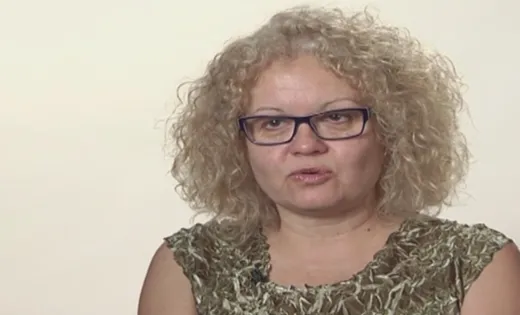
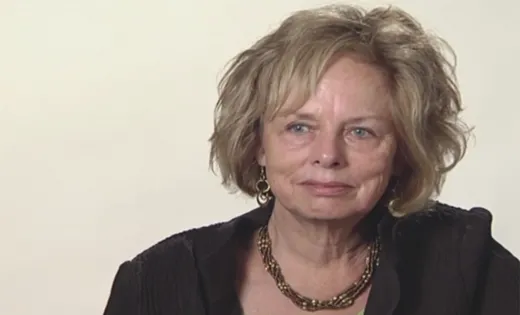
At the Evelyn and Walter Haas, Jr. Fund, we're learning a lot about how coaching can help our grantees succeed. As part of the Coaching and Philanthropy Project, a wide-ranging effort to promote greater understanding of coaching in the nonprofit sector, we've created a series of short videos that provide firsthand accounts about the value and impact of coaching, and how it works best. These videos, and our in-depth evaluation of coaching in the Flexible Leadership Awards (FLA) program, are part of a comprehensive online toolkit about coaching for nonprofits.

How coaching can help leaders change behaviors

Greater self-awareness: It's not always easy for Executive Directors to get honest feedback about how they're doing. Team-Up for Youth ED Janet Carter describes how coaching helped her identify strengths and weaknesses. (1:23)

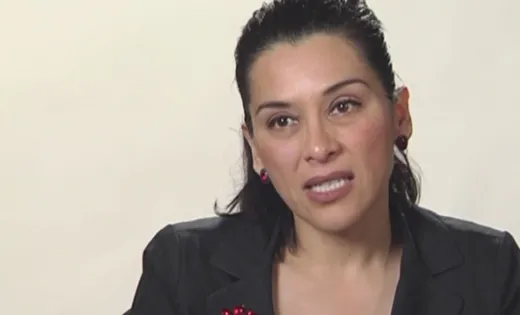
Managing stress: The Executive Director's role is often accompanied by "the stress of making tough and unpopular decisions". Unity Council ED Gilda Gonzales on how coaching has helped her achieve balance. (1:47)

Better staff supervision: Lina Sheth, a Program Director at Asian & Pacific Islander Wellness Center, discusses the far-reaching impact that coaching has had on her ability to empower her own staff. (1:10)

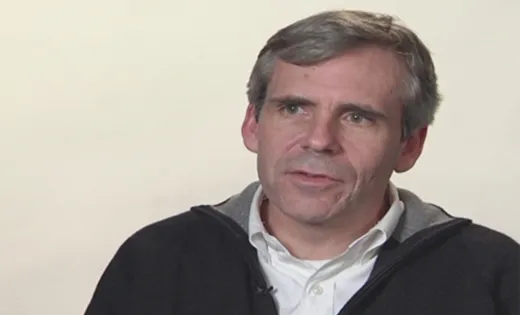
Getting "unstuck": Coaching can help leaders address their toughest roadblocks. East Bay Asian Youth Center Executive Director David Kakishiba on overcoming the fears that can become barriers to action. (2:24)

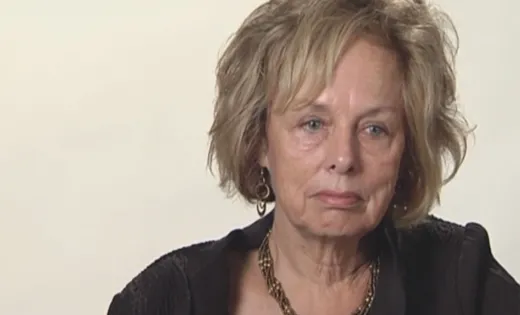
Better communication: Coach Gail Ginder shares an example of how honest feedback can help a leader understand their impact on others and see when their behavior isn't matching their intention. (1:43)

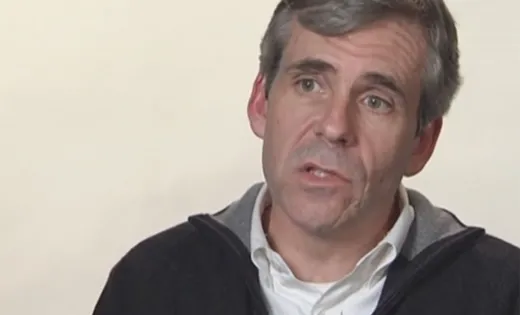
Confronting issues head-on: Evaluator Bill Ryan talks about how coaching helped one coachee become a stronger leader by helping her confront a personnel issue that was challenging the organization and its staff. (1:47)

Asking hard questions: Gilda Gonzales finds coaching a unique way to explore the essential leadership question, “Am I the right person for my organization at this time?” (1:10)

How coaching works- or doesn't work- for leaders

For a new leader: Janet Carter describes how coaching helped her make the leap from the "number two" to the "number one" executive position. (1:22)

For a leader of color: Lina Sheth discusses how coaching helped her develop a framework for often being one of the only leaders of color at the table. (0:51)

For an executive transition: Gail Ginder talks about coaching a 30-year founder Executive Director who wanted to "leave with grace" in order to help set the organization up to succeed. (1:25)

For a new leader: Bill Ryan talks about how coaching helped an Executive Director take a more high-profile and visible role and how that helped his organization. (1:16)

For a first-time leader: Janet Carter talks about how coaching has helped take on new responsibilities - working with a board, creating a vision and communicating that vision effectively. (1:16)

When coaching is not the solution: Gail Ginder describes how coaching is not going to be effective if it's seen as an alternative to good management. (0:58)

When coaching won't work: Bill Ryan shares an example of how it's hard to provide coaching without a context and a clear feedback loop. (1:27)

When coaching won't work: Gail Ginder describes the challenges when coaching is imposed rather than chosen, and the coachee is not open to change. (1:06)

How coaching is distinct from other support

Unique value of coaching: Team-Up for Youth Executive Director Janet Carter talks about how coaching can help in ways that other leadership supports can't. (1:07)

Coaching defined: Coach Gail Ginder shares her perspective on what coaching is and how it’s different from consulting and therapy. (1:45)

Growth of coaching in nonprofits: Evaluator Bill Ryan discusses the prevalence of coaching in business and how quickly it's catching on for nonprofits. (0:59)

Common concerns about coaching: Coaching participants David Kakishiba and Gilda Gonzales and coach Gail Ginder address some of the initial concerns people have about coaching. (2:55)

A field still defining itself: Bill Ryan describes how, as an emerging field, coaching is still defined more by what it is not, than what it is. (1:10)

Coaching takes different forms: Bill Ryan talks about the three central approaches that coaches bring to their craft. (2:07)

Practical insights on how coaching works best

Example of a coaching process: Gilda Gonzales talks about the first coaching sessions, her initial skepticism and the unanticipated results. (1:15)

Example of a coaching process: Janet Carter describes the process of setting goals and how she and her coach continued to track the impact of coaching. (1:33)

Example of a coaching process: David Kakishiba reflects on how he and his coach worked together to develop coaching sessions that worked for him. (1:27)

Three key ingredients: Based on his broader research and his evaluation of coaching in the FLA, Bill Ryan identifies the essential elements of a successful coaching engagement. (1:03)

Selecting the right coach: There are a lot of qualified coaches out there. Gail Ginder gives advice on how to go about selecting one that's right for you. (0:46)

Selecting the right coach: Janet Carter shares what she believes is the single most important criteria for picking a coach to work with. (1:44)

Coaches ask good questions: Janet Carter talks about how, from the start, her coach helped her build a framework for what she would work on in coaching. (0:56)

Multiple coaches in an organization: David Kakishiba gives advice on what to consider when bringing in coaches to work with a number of people within an organization. (1:03)

Multiple coaches in an organization: Gail Ginder talks about the challenges and benefits of having multiple coaches and how best to manage communication and confidentiality. (1:40)

Advice for other leaders: Gilda Gonzales gives her input to other Executive Directors who are considering coaching, and talks about how to know if it’s working. (1:32)

Role of supervisor: Janet Carter describes the importance and value of the supervisor being included in setting coaching goals. (0:47)

Perspectives on funding and evaluating coaching

Encouraging leaders to invest: Bill Ryan discusses the unique role that funders can play in overcoming the "scarcity mentality" that stops leaders from investing in coaching. (1:05)

Advice for funders: Gail Ginder shares three considerations for funders who are thinking about investing in coaching over, or in addition to, other leadership support. (1:18)

Advice for funders: Janet Carter offers thoughts on how to approach coaching in a comprehensive way that will benefit every level of the organization. (0:33)

Haas, Jr. Fund's journey with coaching: Bill Ryan describes the FLA program's initial approach to coaching and how it evolved into a major strategy for leadership development. (1:14)
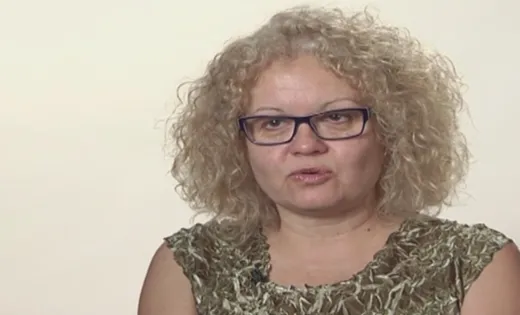
Evaluating impact: Bill Ryan talks about the process the Haas, Jr. Fund has taken to assess the impact that coaching has had for FLA participants.(1:39)

Return on investment: Bill Ryan proposes an approach to evaluation that mirrors the way businesses think about their investment in coaching. (1:27)

Goals of the FLA: Bill Ryan describes the goals and key elements of the FLA program and its focus on leadership development that strengthens organizations. (1:13)

Thanks for these “power of

Thanks for these “power of coaching” videos. You have not only helped confirm the usefulness of an important and underutilized tool to improve nonprofit effectiveness, you have also helped to dispel many myths. I am also impressed with William Ryan’s report, “Coaching Practices and Prospects: The Flexible Leadership Awards Program in Context.” The findings are thoughtful and pragmatic.

I know the power of coaching

I know the power of coaching (as a coachee and coach), and these videos really capture what can be difficult to share when I'm asked about coaching. Thank you for producing and sharing these leaders' coaching experiences.

Thank you for these videos –

Thank you for these videos – it is so valuable to hear the experiences of the coaches themselves as well the ED. My husband, who is involved in coaching business executives, watched at least 15 of the videos with me, was quite impressed and asked for the link. He will be passing these videos on, too.

Wow. These are incredible

Wow. These are incredible coaching resources. I especially like the testimonial videos of grantees talking about their experiences with tough coaching issues. Kudos to your grantees for sharing such sensitive material! This is the kind of truth-telling that can really help leaders.

This is the most thorough,

This is the most thorough, well-designed and clearly articulated accounting of the coaching experience I've seen in my 15 years of coaching. I was particularly impressed by the topics and questions covered, as they are spot-on the issues I am frequently asked to address. You asked for feedback...the only addition I can possibly think of would be to have a video demonstration of an actual "live" (unrehearsed) coaching session, to bring the viewer into the experience even more, but the videos tell a pretty compelling story on their own.

I appreciate the depth and

I appreciate the depth and honesty with which these leaders and coaches talk about this useful and yet sometimes complicated tool for the field. Thank you for sharing this important conversation.

These are so incredibly

These are so incredibly helpful. THANK YOU for taking such great pains to create these wonderful tools.

Brava and thank you for

Brava and thank you for showcasing the many benefits of coaching and the postive results for leaders and the organizations they serve. The videos are a "Five Star" presentation of information---very helpful and insightful, indeed! Now I can't wait to read the online toolkit.

The personal truthtelling on

The personal truthtelling on coaching and it's impact on these leaders is inspiring! Your videos will hopefully spur more interest and action in valuing this as a key component to successful social change. Thank you!

FANTASTIC! You've covered the

FANTASTIC! You've covered the bases for leaders, coaches and funders. Insightful information to increase individual and organizational capacity in the non-profit sector. Kudos - Barb

Amazing to hear these strong

Amazing to hear these strong leaders being so candid about the challenges facing them in their work. It opened my eyes to the advantages of working with a coach. Thank you.

Inspiring to learn about new

Inspiring to learn about new ways to become a better leader! Thanks for sharing.

Post new comment

  • Web page addresses and e-mail addresses turn into links automatically.
  • Allowed HTML tags: <a> <em> <strong> <cite> <code> <ul> <ol> <li> <dl> <dt> <dd> <h2> <h3>
  • Lines and paragraphs break automatically.

More information about formatting options

CAPTCHA
This question is for testing whether you are a human visitor and to prevent automated spam submissions.
Image CAPTCHA
Enter the characters shown in the image.
The content of this field is kept private and will not be shown publicly.